14 Learning Crochet Beginner Step By Step
So, you’ve seen all those cute crochet projects online and thought, “I could totally do that.”
Then you looked at a hook and some yarn and immediately felt like you needed a degree in fiber arts.
Relax, my friend. Learning crochet doesn’t have to be a cryptic journey into the unknown.
We’ve got the ultimate, super chill guide to get you hooked (pun absolutely intended) in no time.
1. Master the Slip Knot and Chain
- Best For: Absolute beginners, building foundational muscle memory.
- Vibe: “Okay, I can actually do this” satisfaction.
- Why it works: It’s the very first step, making everything else possible.
Seriously, before you even dream of a chunky blanket, you need to nail these two.
Grab some basic worsted weight acrylic yarn in a light color like cream or pale blue, and a 5.0mm (H) hook.
Practice making a slip knot that isn’t too tight, then chain, chain, chain until your arm feels it.
Aim for consistent tension – your future self will thank you.
Pro Tip: Don’t yank your yarn too hard; loose chains are easier to work into later. Your fingers are learning a new dance.
2. Conquer the Single Crochet Stitch
- Best For: Learning basic stitch formation and working in rows.
- Vibe: Productive and rhythmic.
- Why it works: It’s the shortest and most fundamental stitch after the chain.
The single crochet (SC) is your bread and butter, the foundation of so many amazing things.
Work a row of SC into your practice chain, then turn and do it again.
Use a medium-colored yarn like gray or teal to easily see your stitches, perhaps with a 4.5mm (G+) hook.
Focus on inserting your hook correctly and pulling up those loops evenly.
Pro Tip: Count your stitches at the end of each row. Seriously, it saves so much frustration later when you realize you accidentally added or lost one.
3. Whip Up a Granny Square
- Best For: Learning basic stitch repeats and color changes.
- Vibe: Retro chic meets modern practicality.
- Why it works: It’s a small, manageable project that teaches valuable skills.
The granny square is iconic for a reason, people. It’s essentially a tiny blanket that teaches you clusters and turning corners.
Pick three contrasting yarn colors – maybe a bright teal, a sunny yellow, and a crisp white – and a 4.0mm (G) hook.
You’ll repeat the same stitch sequence, making it perfect for binge-watching your favorite show.
Plus, you can always join them later for a full-blown throw blanket, if you’re feeling ambitious.
Pro Tip: Don’t be afraid to try different color combinations. The uglier ones make for great “learning experience” keepsakes.
4. Craft Simple Washcloths or Dishcloths
- Best For: Practicing consistent tension and stitch repetition.
- Vibe: Functional and satisfyingly domestic.
- Why it works: These are quick, useful, and forgiving beginner projects.
Everyone needs a good dishcloth, right? This is your chance to make something genuinely useful.
Grab some cotton yarn – a skein typically costs around $4-7 – in a cheerful color like coral or sage green, and a 5.5mm (I) hook.
Practice your single crochet or half double crochet stitches in a square shape.
They don’t have to be perfect, just absorbent.
Pro Tip: Cotton yarn can be a bit stiffer to work with than acrylic, but it’s worth it for its absorbency. Power through.
5. Make Adorable Coasters
- Best For: Learning to work in the round and creating flat circles.
- Vibe: Cozy and personalized.
- Why it works: Small, quick projects that prevent ring stains on your furniture.
Say goodbye to those annoying water rings on your coffee table. Coasters are your new best friend.
Use any leftover worsted weight yarn and a 4.0mm (G) hook.
Start with a magic ring (it’s easier than it sounds, promise) and build your circle using single or double crochet.
You can whip up a set of four in an afternoon, costing pennies in yarn.
Pro Tip: Watch a video tutorial for the magic ring. It’s one of those things that clicks instantly after seeing it done once.
6. Design a Basic Scarf
- Best For: Mastering stitch consistency over a long, repetitive project.
- Vibe: Stylishly cozy and handmade with love.
- Why it works: It uses basic stitches and lets you practice for a useful outcome.
A scarf is the ultimate practice project for anyone wanting to get comfortable with repetitive motions.
Choose a super soft, chunky acrylic yarn in a neutral like charcoal or a bold mustard, and a 6.0mm (J) hook.
Work in rows using single or half double crochet until it’s long enough to wrap around your neck twice.
It’s like a wearable report card of your tension progress.
Pro Tip: Don’t try to make it too wide. A narrower scarf is quicker to finish and less likely to overwhelm a beginner.
7. Try a Simple Mug Cozy
- Best For: Learning basic shaping and buttonholes.
- Vibe: Warm and charmingly handcrafted.
- Why it works: It’s a small, functional project with a touch of detail.
Keep your coffee warm and your hands cool with a custom mug cozy. It’s a tiny hug for your favorite cup.
You’ll need a small amount of worsted weight yarn – maybe a variegated rainbow or a solid emerald – and a 4.0mm (G) hook.
Crochet a rectangle, then add a simple buttonhole and stitch on a cute button.
These make fantastic, inexpensive gifts, often costing less than $2 in materials.
Pro Tip: Stretch your cozy around your actual mug as you go to ensure a snug fit. Nobody wants a saggy mug outfit.
8. Learn the Half Double Crochet Stitch
- Best For: Adding height and drape to your projects.
- Vibe: Elevated beginner, feeling fancy.
- Why it works: It’s a versatile stitch, taller than SC but shorter than DC.
Ready to level up from single crochet? The half double crochet (HDC) is your next best friend.
It’s a bit taller and creates a slightly looser fabric, perfect for things like blankets or garments.
Practice rows of HDC with a smooth, light-colored yarn and a 5.0mm (H) hook.
It gives a lovely texture without being overly complicated.
Pro Tip: Pay attention to where you insert your hook for the HDC. There’s a subtle difference that makes all the difference in the final look.
9. Tackle the Double Crochet Stitch
- Best For: Creating open, airy fabrics quickly.
- Vibe: Speedy and satisfying.
- Why it works: It’s a foundational stitch for many patterns and works up fast.
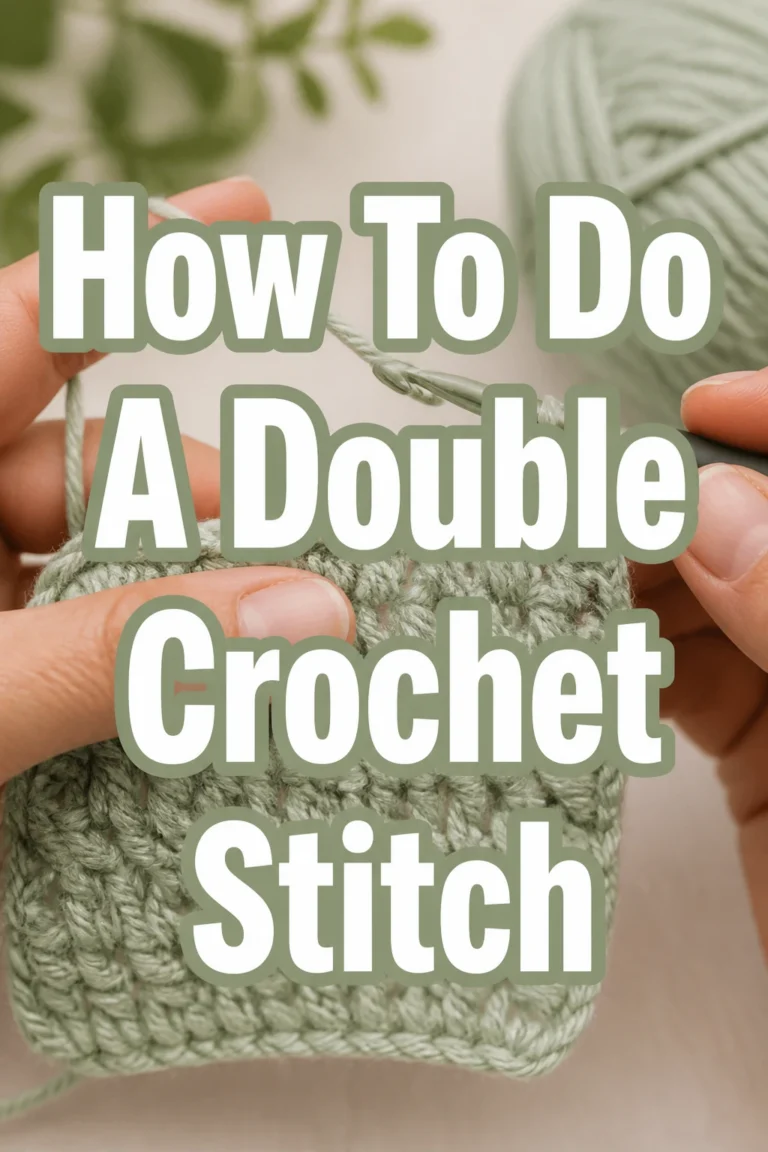
The double crochet (DC) is a powerhouse stitch, the tallest of the main three.
It creates a beautiful, lacy fabric and makes projects grow rapidly, which is super motivating.
Use a bright, contrasting yarn and a 5.5mm (I) hook to practice rows of DC.
You’ll quickly see how different stitches yield different looks.
Pro Tip: Your turning chain for DC will be taller (usually 3 chains) than for SC or HDC. Don’t forget it, or your edges will look wonky.
10. Craft a Simple Potholder
- Best For: Practicing dense, thick fabric and durability.
- Vibe: Utilitarian chic.
- Why it works: It requires tight stitches, which is great for tension practice.
Potholders need to be thick and sturdy, making them an excellent project for reinforcing good tension.
Use two strands of cotton yarn held together (doubling up adds thickness) and a larger 6.0mm (J) hook.
Work in single crochet stitches to create a dense, heat-resistant square.
These are super practical and can last for ages.
Pro Tip: Don’t be afraid to pull your stitches a little tighter than usual for a potholder. Safety first, people.
11. Learn to Read a Simple Pattern
- Best For: Understanding crochet language and symbols.
- Vibe: Empowered and knowledgeable.
- Why it works: It unlocks a world of projects beyond video tutorials.
Eventually, you’ll want to make something specific, and that means reading a pattern.
Find a free, super basic pattern online for a scarf or a small square, often costing nothing but your time.
Familiarize yourself with abbreviations like “ch” (chain), “sc” (single crochet), and “sl st” (slip stitch).
It’s like learning a secret code for yarn lovers.
Pro Tip: Print out a list of common crochet abbreviations and keep it handy. It’s your personal decoder ring.
12. Choose Your Yarn and Hook Wisely
- Best For: Understanding materials and their impact on projects.
- Vibe: Smart shopper, informed crafter.
- Why it works: The right tools make all the difference in your crochet journey.
Not all yarn is created equal, nor are all hooks. This knowledge is power.
Experiment with different yarn weights – from light DK to super bulky chunky yarn – and corresponding hook sizes.
A smaller hook with thinner yarn makes a dense fabric, while a larger hook with thicker yarn creates something airy.
You can find small skeins for around $3-8 to test out different types.
Pro Tip: Always check the yarn label for recommended hook sizes. It’s usually a good starting point, not a strict rule.
13. Master Basic Amigurumi Shaping
- Best For: Creating 3D objects and learning increases/decreases.
- Vibe: Whimsical and adorable.
- Why it works: It introduces new techniques for making stuffed toys.
Ready to make little stuffed creatures? Amigurumi is where it’s at, but start small.
Try making a simple ball or sphere using worsted weight yarn in any color and a 3.5mm (E) hook.
You’ll learn how to increase and decrease stitches to form shapes, working in continuous rounds.
It’s a fantastic way to stretch your skills beyond flat pieces.
Pro Tip: Use a stitch marker to keep track of the beginning of your rounds in amigurumi. Otherwise, you’ll get lost faster than a yarn ball in a puppy pile.
14. Weave in Ends Like a Pro
- Best For: Finishing projects neatly and professionally.
- Vibe: Polished and meticulous.
- Why it works: It’s the final, crucial step to making your projects look amazing.
Nobody wants a project with stray yarn tails hanging out, looking all messy.
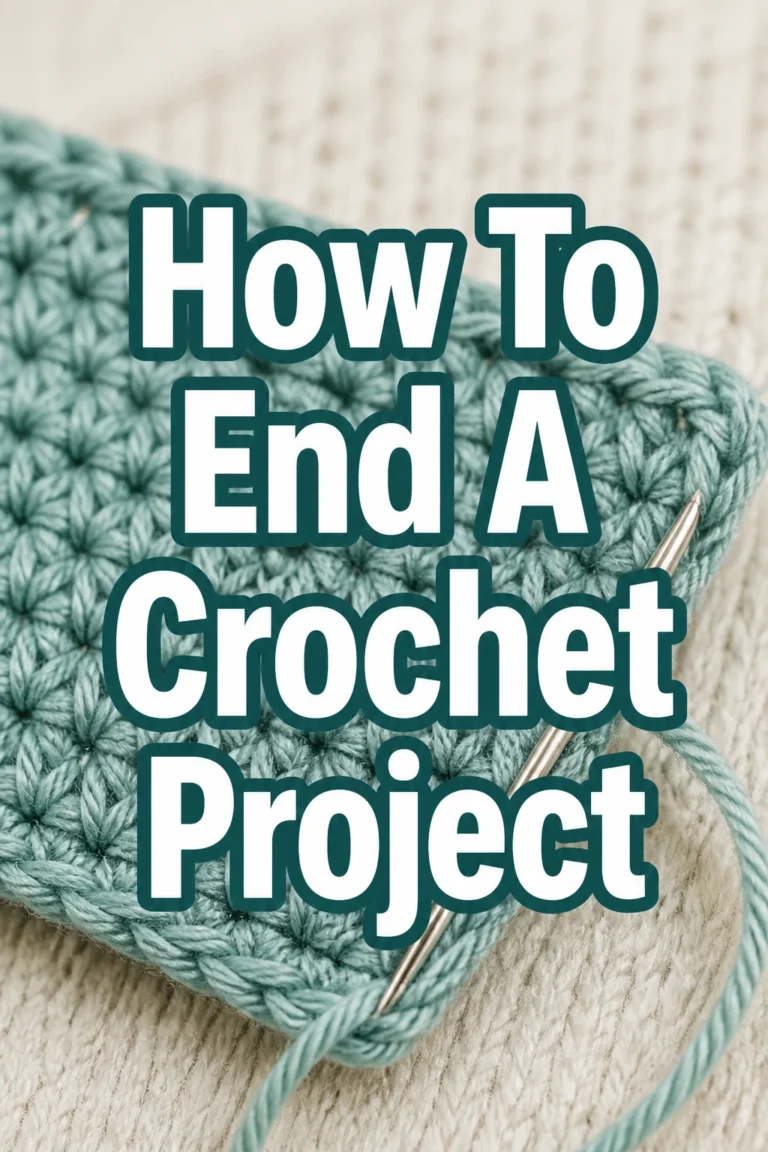
Grab a yarn needle (those blunt, large-eyed needles, usually in a pack for $2-5) and learn to weave in your ends securely.
Thread the tail through the needle and gently work it through several stitches in different directions.
It’s the difference between “homemade” and “handcrafted.”
Pro Tip: Weave ends into stitches of the same color. It makes them virtually invisible. Sneaky, right?
Our Top Recommended Finds
Okay, now that you’re practically a crochet wizard, here are a few things that make the journey even smoother.
- Ergonomic Crochet Hook Set: Your hands will thank you after hours of hooking. Look for soft grips, usually around $15-25 for a decent set.
- Beginner-Friendly Yarn Bundle: A multi-skein pack of worsted weight acrylic yarn in various colors. Think Lion Brand Basic Stitch Anti-Pilling or Red Heart Super Saver. Perfect for practice without breaking the bank, typically $20-40 for a decent bundle.
- Stitch Markers and Yarn Needles: These tiny heroes prevent unraveling and help weave in ends. Essential for keeping track and finishing strong. A small kit usually runs about $5-10.
Which of these will you try first?
See? Learning crochet isn’t some mystical art reserved for grandmas (no offense, grandmas, you’re awesome).
It’s totally doable, super relaxing, and you end up with actual, usable stuff.
So, which of these beginner projects are you grabbing your hook for first? Let us know in the comments below!