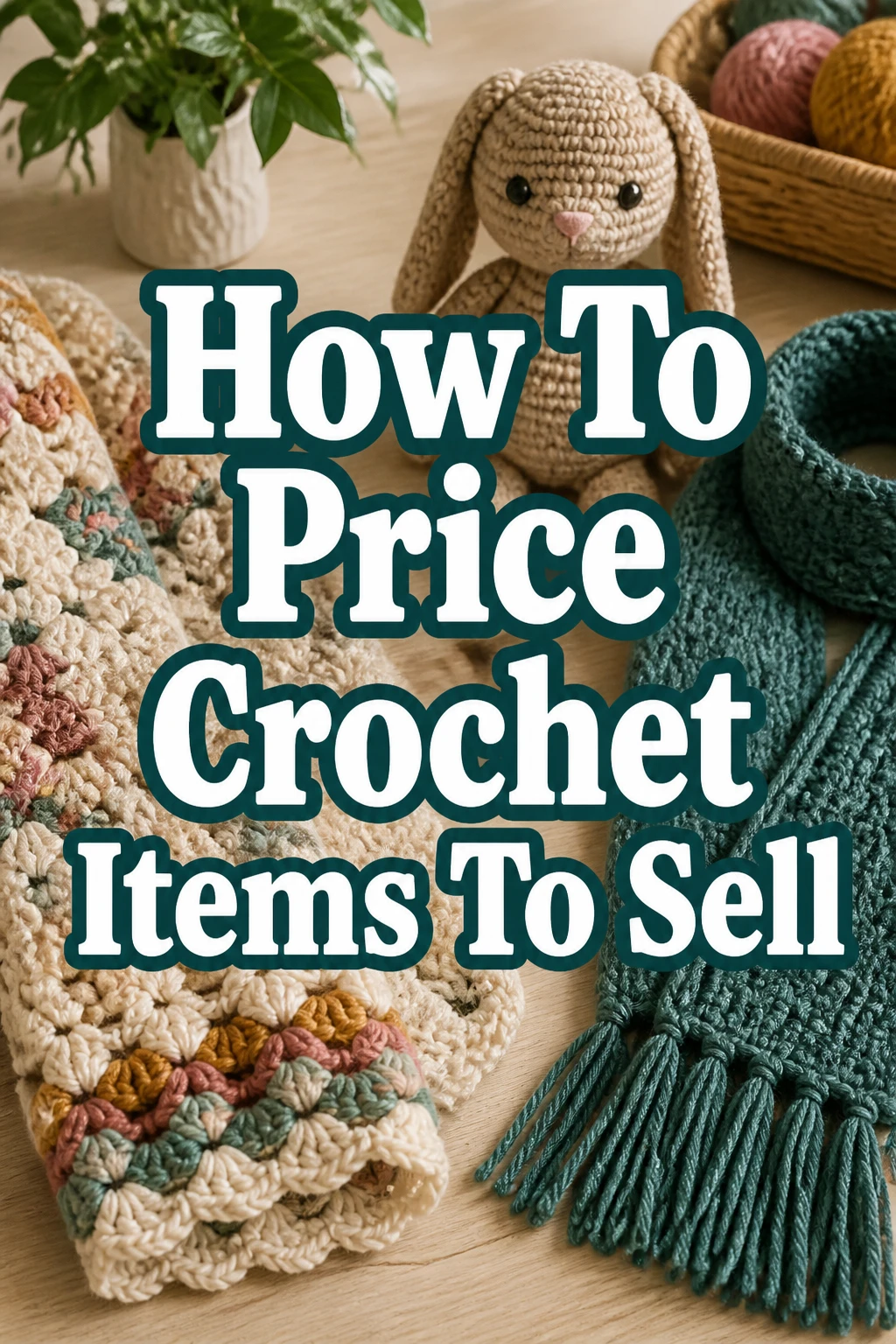
How To Price Crochet Items To Sell
Have you ever finished a beautiful crochet piece, poured your heart into it, then stared blankly when someone asked for the price? It’s a common dilemma for many crafters. I’ve been there, struggling to put a fair value on hours of work and precious materials.
This guide comes from years of experience in the craft market, learning what works and what doesn’t for sustainable pricing. You’ll gain clear, actionable strategies to confidently price your creations.
Quick Overview
This guide will walk you through a proven method to calculate competitive and profitable prices for your crochet items. You’ll learn to value your time, materials, and skill appropriately. By the end, you’ll have a clear system for pricing all your future projects.
- Time needed: 30-60 minutes for initial setup, then 5-10 minutes per item
- Difficulty: Intermediate
- What you’ll need: Calculator, pen and paper or spreadsheet, records of material costs, an understanding of your hourly wage goal.
Step-by-Step Instructions
Step 1: Track All Material Costs
Begin by meticulously tracking every single material that goes into your crochet item. This includes the yarn, stuffing, safety eyes, buttons, labels, and even packaging materials like tissue paper or poly mailers if you sell online.
Record the unit cost of each item. If you buy a skein of yarn for $8 and use half of it, calculate that $4 worth of yarn went into the project. Don’t forget small things like stitch markers or tapestry needles if they are used up or become part of the final product.
Step 2: Calculate Your Hourly Wage Goal
Decide what your time is worth. This isn’t just about covering costs; it’s about paying yourself a living wage. Consider what you’d earn in a similar skilled job.
A good starting point might be minimum wage in your area, or even higher, depending on your skill level and experience. For example, aim for $15-$25 per hour. This is your personal labor cost.
Pro Tip: Don’t undervalue your time. Crocheting requires skill, patience, and creativity. Your hands are creating something unique.
Step 3: Track Your Time Accurately
This step is vital for fair pricing. Use a timer whenever you work on a project, from the very first chain to weaving in the last end. Include time spent planning, sourcing materials, and even photographing the item for sale.
Be honest with yourself about breaks or distractions; only count active working time. A simple stopwatch app on your phone works perfectly for this.
Step 4: Calculate Your Base Cost (Materials + Labor)
Now combine your material costs with your labor costs. Multiply your hourly wage goal by the total number of hours you spent on the project. This gives you your total labor cost.
Add this labor cost to your total material cost. This sum represents the absolute minimum you can charge to cover your expenses and pay yourself for your time. This is your “Cost of Goods Sold” (COGS).
Step 5: Add Overhead Costs
Beyond direct materials and labor, every business has overhead. Think about expenses like website hosting fees, craft fair booth fees, PayPal transaction fees, Etsy listing fees, patterns you purchased, or even utilities if you work from home.
These are costs that aren’t tied to a single item but are necessary for your business to operate. Estimate these monthly or annually, then divide them by the number of items you expect to sell. Add a small portion of this per item.
Step 6: Determine Your Profit Margin
You’re running a business, not just a hobby. A profit margin ensures your business can grow, cover unexpected costs, and provide you with actual income beyond your hourly wage. A common starting profit margin for handmade goods is 10-30%.
To calculate, take your Base Cost (Materials + Labor + Overhead) and multiply it by your desired profit percentage. For example, if your base cost is $50 and you want a 20% profit, add $10 ($50 * 0.20) to your base cost.
Step 7: Research Market Value and Competitor Pricing
Before settling on your final price, look at what similar items are selling for. Browse Etsy, local craft markets, and other online shops. Pay attention to items of comparable quality, size, and complexity.
This research helps you understand customer expectations and ensures your price is competitive. You don’t want to be significantly higher or lower than the market without a clear reason.
Pro Tip: Don’t just copy competitor prices. Understand why they charge what they do. Your unique skills and brand value matter.
Step 8: Consider Your Brand and Uniqueness
Does your item use premium yarn? Is your design original? Do you offer exceptional packaging or customer service? These factors add value and can justify a higher price point.
Your unique brand story and the quality of your craftsmanship contribute to the perceived value of your product. Don’t be afraid to price for the value you provide.
Step 9: Calculate Your Final Price and Test It
Combine all the elements: (Materials + Labor + Overhead) (1 + Profit Margin Percentage). This gives you a solid starting price. For example, if your COGS + Overhead is $60 and you want a 20% profit, your price would be $60 1.20 = $72.
Now, look at this number. Does it feel right? Does it align with your market research? It’s okay to round up or down slightly to create an appealing price point (e.g., $69.99 instead of $72).
Common Mistakes to Avoid
Undervaluing Your Time
Many crafters only account for material costs, completely ignoring the hours of skilled labor involved. This leads to burnout and an unsustainable business model. Always factor in a fair hourly wage for yourself. Your time is your most valuable resource.
Ignoring Overhead Costs
It’s easy to forget about the hidden costs of running a business, like website fees, marketing, or even the cost of patterns. Failing to include these in your pricing means you’re absorbing them personally, eating into your profit. Make a list of all your business expenses and allocate a portion to each item.
Under-researching Market Value
Setting prices in a vacuum can be detrimental. If your prices are too high compared to similar items, you might not sell. If they’re too low, customers might question the quality, and you’ll miss out on potential income. Always check what others are charging for comparable quality and complexity.
Fear of Higher Prices
There’s a common fear that higher prices will deter customers. While price sensitivity exists, many customers are willing to pay more for quality, uniqueness, and handmade items. Pricing too low can actually devalue your work and make customers question its worth.
Troubleshooting
My calculated price feels too high.
First, re-evaluate your material costs and labor time for accuracy. Are you using premium materials when a more affordable, yet still quality, option could work? Next, review your hourly wage goal and profit margin. If you’re new, you might start with a slightly lower profit margin or hourly wage and increase it as your brand grows. Also, consider if your target market can genuinely afford your price point or if you need to adjust your niche.
My calculated price feels too low.
This often happens when crafters don’t track their time effectively or undervalue their skills. Double-check your hourly wage goal; ensure it reflects fair compensation. Make sure you’ve included all material costs, even the small ones. You might also be underestimating the perceived value of your unique, handmade item. Don’t be afraid to price for quality and craftsmanship.
Customers are complaining about my prices.
This can be disheartening, but it’s an opportunity to educate. Are you clearly communicating the value of your handmade item? Highlight the quality of materials, the hours of work, the unique design, and the care that goes into each piece. Some customers will always seek the lowest price, but your target audience values quality and supports handmade. It might also indicate that your ideal customer isn’t being reached.
Key Takeaways
- Always track all material costs meticulously.
- Value your time by setting a fair hourly wage for yourself.
- Account for overhead costs to ensure business sustainability.
- Include a profit margin to allow for growth and income.
- Research competitor pricing to stay competitive and informed.
- Don’t undervalue your unique skills and brand.
Frequently Asked Questions
Should I charge more for custom orders?
Yes, absolutely. Custom orders often require extra communication, design time, and sometimes sourcing specific materials. Factor in an additional percentage (e.g., 10-20%) or an extra hourly fee for the added effort involved in custom work. This compensates you for the unique service you’re providing.
How do I handle fluctuating yarn prices?
Keep detailed records of your yarn purchases, including the price per skein or per yard/meter. When you use yarn from an older, cheaper stash, price it at its current replacement value if possible. Otherwise, update your pricing calculations regularly to reflect current material costs. This helps maintain consistent profitability.
What if I use leftover yarn from other projects?
Even if the yarn is “leftover,” it still had an initial cost. It’s best practice to attribute its original cost to the project. If it’s a very small amount, you might round up slightly on another material or factor it into a general “miscellaneous materials” line item. Don’t treat it as free, as you still paid for it.
How often should I review my prices?
It’s wise to review your pricing at least once a year, or whenever there’s a significant change in material costs, your hourly wage goals, or market conditions. If you introduce new products or improve your skills significantly, that’s also a good time to reassess. Regular reviews ensure your prices remain fair and profitable.
Our Top Recommended Finds
- Digital Kitchen Scale: Perfect for weighing leftover yarn to accurately calculate material costs by weight.
- Time Tracking App: Many free or low-cost apps exist to precisely log your work hours on different projects.
- Small Business Accounting Software: Helps organize material costs, sales, and overhead for accurate financial tracking.
Embrace Your Business Acumen
Pricing your crochet items effectively is a skill that grows with practice. It transforms your passion into a sustainable venture. Remember, your creations are valuable, and so is your time.
Start implementing these steps today. Take the first step by tracking your current project’s time and materials. Soon, you’ll be confidently pricing your work, knowing you’re building a thriving craft business.